

How to Alcohol Detox at Home
Detoxing from alcohol at home can be an effective and safe option for certain people. It requires careful planning to ensure that the process is as smooth as it can.
During detoxification, it is crucial to stay away from all temptations from your home. This is because withdrawal symptoms, such as delirium-tremens can be serious and even fatal.
1. Get Medical Attention
Alcohol dependence can trigger severe withdrawal symptoms if a person stops drinking suddenly. The symptoms can begin within 24 hours after the last drink, and may include seizures, hallucinations, and extreme pain. These symptoms are potentially dangerous and can even be fatal. Therefore, it is not advisable to detox from alcohol at home.
There are methods to make the at-home detox process more secure. However it is crucial to speak with a medical professional prior to beginning. They can help you determine if your alcohol addiction is serious enough to warrant an at-home detox, and can prescribe medications to ease withdrawal symptoms. They can help you develop an emergency plan should you experience dangerous withdrawal symptoms such as seizures or delirium.
Another way to increase the safety of an at-home detox is to completely eliminate alcohol from your home. This will help you avoid temptation and stop you from consuming alcohol by accident. You should also spend time with people who be supportive of your recovery and encourage you to keep going with the process. While detoxing from alcohol, it is essential to adhere to a healthy diet. This will help you recover from withdrawal symptoms and supply your body with the nutrients needed to stay healthy.
It is essential to remember that detoxification is just the first stage of recovery. The ongoing therapy sessions can help you stay sober and discover the root causes of alcoholism. If you're looking to begin your journey to recovery, BetterHelp can connect you with a therapist who's right for you. Fill out the questionnaire and get matched.
2. Make Alcohol Difficult to Access
Home detox is usually not recommended for people with severe alcohol addictions, because of the risk of dangerous withdrawal symptoms. These include seizures and delirium tremens which can be fatal. These symptoms include tremors, confusion hallucinations, fever, sweating and a rapid heart rate. They can also cause harm to those in their vicinity.
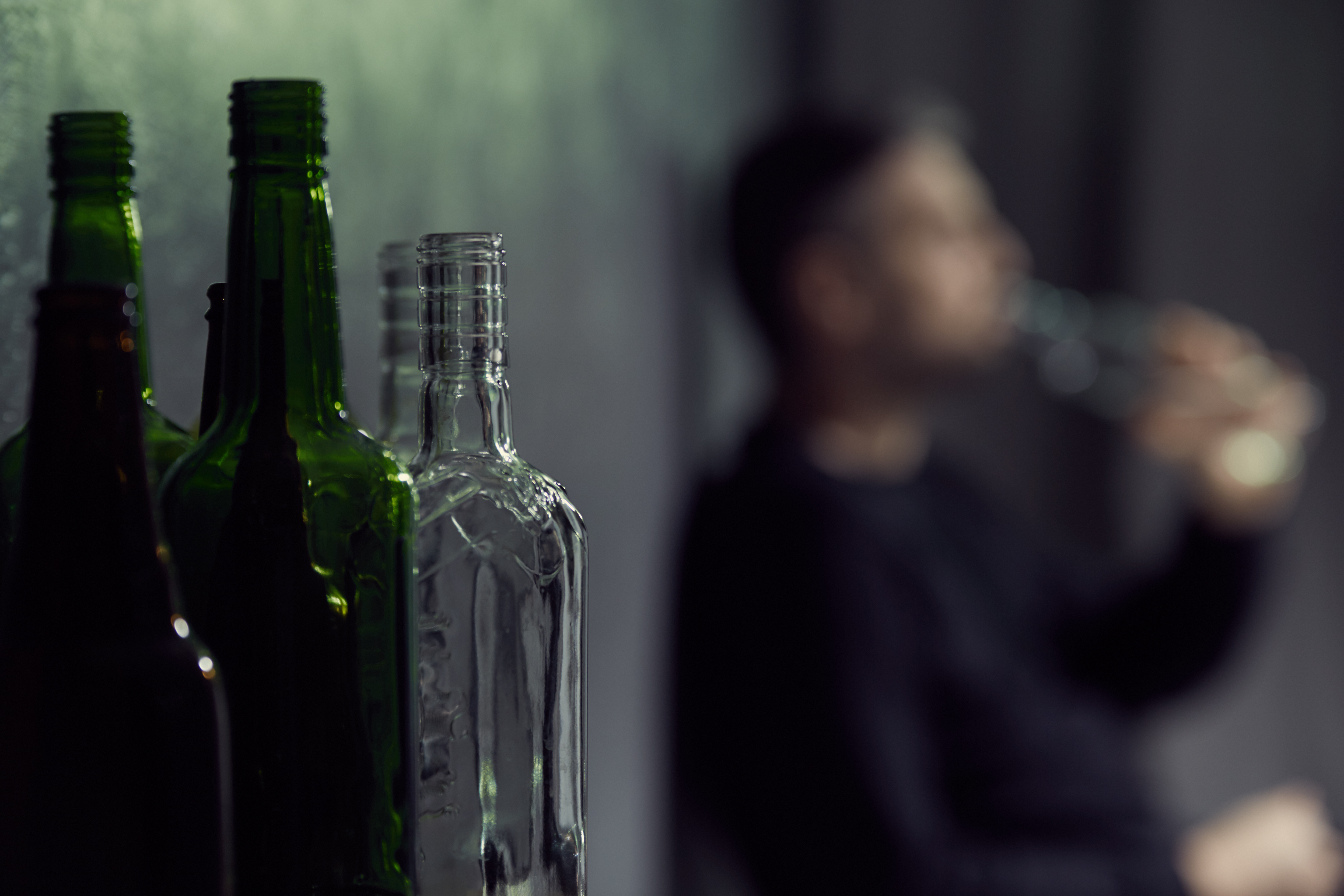
It is possible to detox from alcohol at home if you take certain precautions. To begin, you should make sure that there isn't any alcohol in your home or vehicle. If you do, eliminate it by emptying it into the sewer or giving it to a person who isn't drinking. It can be a challenge however it's vital to have the safe detox.
It is also important to stay away from social settings that could cause cravings for alcohol. You can achieve this by rearranging your social circles or engaging in new activities. You can also gradually decrease your drinking over a time of time, such as weeks or days before completely stopping. This can lessen the intensity and frequency of withdrawal symptoms.
It is also important to consider hydration along with healthy eating and light exercise to improve your mood and counteract the effects alcohol withdrawal. You can also work on your passion or begin a new hobby to keep you from your craving for alcohol. You can also join a group for support, like Alcoholics Anonymous, SMART Recovery or SMART Recovery to help you through your detox. You can also meditate to relax and keep your mind on your mental well-being.
3. Get Help
People who have an alcohol-related addiction that is mild can detox at home, provided they do so in the correct manner. If you suffer from an addiction to alcohol that is severe and other drugs, you should seek professional treatment for withdrawal symptoms, as they may be too severe for you to manage at home.
It is essential to have a reliable support system during detox. Asking friends and family members to keep an eye on you during the detox process is an excellent way to get support. This gives them a chance to encourage you, and they could contact medical professionals should they need to. It is also recommended to make alcohol more difficult to obtain by getting it out of your house or throwing it away. This will help you avoid temptation and increase the likelihood of being successful in your detox.
You should also consume healthy and balanced meals during this period. Eat a balanced diet, which includes vegetables, fruits and carbohydrates. You should also drink lots of water to keep hydrated, but stay away from caffeinated beverages such as coffee and tea. These can interfere with your sleep and cause you to feel anxious.
It is essential to get enough sleep during your detox. This will allow you to get rid of withdrawal symptoms and rest your body. It is also recommended to employ relaxation techniques such as meditation and deep breathing to reduce stress. Getting adequate sleep will also help the body eliminate the toxins from alcohol more efficiently.
4. Make sure you have your schedule in order
It may be difficult to get your schedule clear for some time, or even weeks, but it's vital if you wish to be successful in your detox. You can detox without distractions by taking a day off or requesting an absence leave from your employer. This will allow someone to monitor you and contact medical professionals should you experience any problems.
Avoiding places that serve alcohol, and keeping alcohol out of your home can also help to reduce temptation. If you're a regular drinker, you should consider eliminating all alcohol from your home and removing any bottles. The NIAAA states that this will aid in avoiding repeat relapses later on, and help you stay sober.
If you are feeling the desire to drink, try to distract yourself with a different activity. You could accomplish this by exercising or watching a film, or hanging out with people who aren't drinking. You have to find a way to deal with your cravings. They will be there and they can be more powerful when you aren't prepared.
You can detox from alcohol at home, but you should be aware of the risks and seek help from a professional in the event that you do. The withdrawal symptoms of alcohol can be severe and life-threatening. It is not recommended that you taper or stop drinking alcohol in a cold manner, since this could increase withdrawal symptoms. Self-detoxing is more risky than visiting an alcohol detox center in a residential setting as you will not be able to access medical assistance.
5. Stay Hydrated
Alcohol withdrawal is regarded as one of the most dangerous forms of substance withdrawal. It can lead to life-threatening symptoms, like hallucinations and seizures. alcohol detox near me is recommended to seek medical help to detox in a professional facility rather than trying to do it at home.
It is important to have a support system while going through the detox process as cravings can be a struggle to fight. A network of support can help you stay away from temptation and provide encouragement. It could be someone from your family or a close friend an entire group of people who are recovering. It is also important to ensure that you have plenty of water and food in your fridge to prevent dehydration, which can occur in withdrawal.
Engage yourself and stay distracted to help reduce cravings. Find a new hobby or begin a new project that will keep your mind off of alcohol and aid in staying sober. If you are having a difficult to concentrate, try deep breathing exercises or meditation to calm your mind. You should also remove all alcohol and other related items from your home to help you remain sober.
Drinking alcohol causes the body to dehydrate, leading to electrolyte deficiency that could cause serious health issues when detoxing from alcohol, such as seizures, an increase in heart rate, hallucinations and more. To fight these symptoms it is recommended that you drink at least 0.5-1 ounces of water per day. If you are sweating often because of withdrawal from alcohol, it's best to drink more than this amount. Water can also help flush out the body of toxins which makes it a good way to help with alcohol detox.